EVRaja Logo
EV
ather

Electric Vehicles in India – Compare EV Cars, Bikes & Scooters

Popular Brands

EV Fuel Savings Calculator

You can save up to

₹1,20,000/year*

1000+ EV Models

Across India

5000+ Charging Stations

Near You

Expert Reviews

And Comparisons

Latest EV News

And Updates

EV Automobile Center

Explore our collection of electric vehicles across all categories

International EVs

Drive The Future

Popular Electric Vehicle Brands

BMW

BMW

Honda

Honda

Audi

Audi

BYD

BYD

Hyundai

Hyundai

Kia

Kia

Mahindra

Mahindra

Maruti

Maruti

Mercedes-Benz

Mercedes-Benz

MG Motor

MG Motor

Rolls-Royce

Rolls-Royce

Tata

Tata

Tesla

Tesla

Toyota

Toyota

VinFast

VinFast

Volvo

Volvo

Swipe to see more brands

Plan smart, drive farther. Find charging stations and plan your EV trip.
Learn EV

Latest EV Guides

Guides, comparisons, and EV education from the EVRaja editorial team.

Best Electric Bikes for College Students in India (2026 Guide)
GeneralOct 6, 2026

Best Electric Bikes for College Students in India (2026 Guide)

Quick Summary: Best Electric Bikes for College Students in India (2026) body { font-family: 'Segoe UI', Arial, sans-serif; max-width: 650px; margin: 0 auto; padding: 30px 20px; line-height: 1.6; color: #1a1a1a; background: #fff; } .tag { display: inline-block; background: #3b5bdb; color: #fff; font-size: 12px; font-weight: bold; text-transform: uppercase;

Read Guide
Top 5 Electric Cars in India 2026: Price, Range, Battery & Features Compared
GeneralJun 3, 2026

Top 5 Electric Cars in India 2026: Price, Range, Battery & Features Compared

Compare Tata Curvv EV, MG ZS EV, Mahindra BE 6, Tata Harrier EV, and BYD Atto 3 on price, battery, ARAI range, charging time, pros and cons, plus buyer picks and FAQs.

Read Guide
Advanced EV Comparisons: Normalising Specs Across Segments
GeneralApr 22, 2026

Advanced EV Comparisons: Normalising Specs Across Segments

Compare cars, scooters, and LCVs fairly: normalise by mass, usable kWh, real charger access, and warranty years—avoid apples-to-oranges brochure battles.

Read Guide
Commercial EV Total Cost of Ownership: Buses, LCVs, and Last-Mile 3W
GeneralApr 22, 2026

Commercial EV Total Cost of Ownership: Buses, LCVs, and Last-Mile 3W

TCO for commercial EVs: route duty cycles, depot energy, battery lease vs buy, driver incentives, and downtime cost models for Indian cities.

Read Guide
Electric Scooter Daily Maintenance: Tyres, Connectors, and Software
GeneralApr 22, 2026

Electric Scooter Daily Maintenance: Tyres, Connectors, and Software

Daily and weekly checks for e-scooters: tyre pressure, brake feel, charge port cleanliness, firmware updates, and belt/gear wear on mid-drive models.

Read Guide
Fleet Electrification ROI: Checklist for Depots, Tariffs, and Uptime
GeneralApr 22, 2026

Fleet Electrification ROI: Checklist for Depots, Tariffs, and Uptime

ROI model for switching LCVs or 3W fleets to electric: demand charges, night tariffs, maintenance deltas, and revenue lost during charger downtime.

Read Guide
View All Guides
Stay Updated

Latest News

Trending updates from the world of electric mobility

Best Electric Scooters Under ₹1 Lakh in India (October 2026)
ScooterOct 6, 2026

Best Electric Scooters Under ₹1 Lakh in India (October 2026)

Quick Summary: Best Electric Scooters Under ₹1 Lakh (October 2026) Quick Summary Best Electric Scooters Under ₹1 Lakh in India (October 2026) Six scooters that genuinely work as petrol replacements under ₹1 lakh, matched to the kind of rider each suits. The Shortlist Ola S1 X (₹69,999-₹99,999): Best value on paper. 34L boot, 8-year battery warranty, 90+ km real-world range on the 3 kWh pack. Service can be patchy. Bajaj Chetak C25 (₹91,399): Metal body, trusted brand, quick 2h25m charge to 80%. Smallest boot (25L). Ampere Magnus Neo (₹86,999-₹90,999): Easiest first EV. 104 kg, LFP battery, 5-year/75,000 km warranty. TVS Orbiter (~₹88,250 V1; V2 near ₹1 lakh): 34L boot, cruise control, up to 158 km claimed on V2. No independent range test found. Vida VX2 Go (₹99,490; ₹59,490 with BaaS): Removable battery for flat dwellers. BaaS breaks even in roughly 28-38 months and isn't transferable. Honda QC1 (~₹90,000): Weakest value; only 1.5 kWh and 80 km claimed. Worth waiting for: Ather Konarc S at ₹99,999, with deliveries planned for Q1 2027. Rules of Thumb Real-world city range is typically 65-75% of the claimed figure. Knock a third off the brochure number. Prices vary by city, variant and subsidy, so always get the on-road price in writing. Ask where the nearest service centre is before you ask about the colour. Sources: Drivio · AllAboutEVs · Autocar India · BikeDekho · TimesDrive · ZigWheels · The Bike Junction
Read More
Best Electric Cars Under ₹15 Lakh in India (October 2026)
CarOct 6, 2026

Best Electric Cars Under ₹15 Lakh in India (October 2026)

Quick Summary: Best Electric Cars Under ₹15 Lakh (October 2026) Quick Summary Best Electric Cars Under ₹15 Lakh in India (October 2026) Eight electric cars that fit the budget, matched to the kind of buyer each suits, with the battery-rental maths most guides skip. The Shortlist Tata Tiago EV (₹6.99-₹9.99L): Cheapest sensible EV. Six airbags now standard; 24 kWh version has a lifetime first-owner battery warranty. MG Comet (~₹7.5-₹10L): City-only second car. About 200 km real-world; weak on highways. Tata Punch EV (₹9.69-₹12.59L): Best all-rounder. 30/40 kWh LFP packs, up to 468 km ARAI, 5-star Bharat NCAP. Citroën eC3X (₹11.99-₹13.26L): Soft ride, 29.2 kWh, 325 km claimed. Slow charging (10.5 hrs AC). Tata Nexon EV (₹12.49-₹14.34L under the line): Creative 45 gets 489 km claimed, 5-star rating, 350L boot. Mahindra XUV 3XO EV (₹13.89-₹14.96L): 150 hp, dual screens. Range figure unclear: Mahindra quotes 285 km real-world. Kia Syros EV (₹13.50L HTK; ₹15L HTK+): 443/526 km ARAI, lifetime battery warranty and buyback claims. Check which pack the cheaper trims carry. MG Windsor (~₹14.69L Excite outright; ₹9.99L on rental): Comfort-first rear seats; only the smaller 38 kWh battery fits the budget outright. Rules of Thumb Real-world range is typically 70-80% of the claimed figure (Tiago EV test: 71-75%). Battery rental plans save ₹2.3-₹4.7 lakh upfront but take roughly 88,000-123,000 km to cost more, so they suit short ownership, not long. Confirm the exact battery pack, trim and on-road price in writing before you pay. Sources: Autocar India · ZigWheels · Meraev · 91Wheels · EVSelect

Read More
Oben Electric Outpaces Competitors to Secure No. 1 Spot in India’s Electric Motorcycle Segment
BikeOct 2, 2026

Oben Electric Outpaces Competitors to Secure No. 1 Spot in India’s Electric Motorcycle Segment

Quick Summary: Oben Electric No. 1 Electric Motorcycle Segment Quick Summary Oben Electric Outpaces Competitors to Secure No. 1 Spot in India's Electric Motorcycle Segment Oben topped September's electric motorcycle registrations with its highest-ever monthly sales, driven by the Rorr Evo — though the segment itself remains tiny. Key Facts September registrations: 1,417 units — Oben's highest-ever monthly figure, and No. 1 in the electric motorcycle segment. Segment share: 46.2% of the top-5 brands' combined 3,066 units. Competitors: Revolt Intellicorp (1,027 units, 33.5%), Ultraviolette (536 units), Matter Motor Works (69 units), Raptee Energy (17 units). Growth driver: The Rorr Evo, which crossed 25,000 bookings within 15 days of its own launch. Reality check: In the broader electric two-wheeler market (including scooters), Oben ranks just 11th with ~0.7% share — the top 25 makers registered 205,951 units total, led by TVS (53,990) and Bajaj (48,383). Capacity: September's volume is roughly 17% of Oben's average monthly plant capacity (~8,300 units). Context: India's overall E2W market crossed 15.61 lakh registrations between January-September 2026. Sources: Autocar Pro · AutoPunditz · The Machine Maker · EVSHIFT

Read More
Porsche Cayenne Electric Launched in India at ₹1.77 Crore
CarOct 2, 2026

Porsche Cayenne Electric Launched in India at ₹1.77 Crore

Quick Summary: Porsche Cayenne Electric India Launch Quick Summary Porsche Cayenne Electric Launched in India at ₹1.77 Crore Porsche's SUV goes electric in India with up to 1,156 PS, 642km claimed range, and the country's first optional wireless EV charging. Key Facts Pricing: ₹1,77,27,000 for the Cayenne Electric; ₹2,27,51,000 for the Cayenne Turbo Electric. Performance: 442 PS/835 Nm (4.8 sec 0-100) on the base variant; 1,156 PS/1,500 Nm (2.5 sec 0-100) on the Turbo. Battery & range: 113kWh pack, up to 642km claimed WLTP range (varies by variant/config). Charging: Up to 390-400kW DC fast charging; 10-80% in under 16 minutes. Standout feature: Optional 11kW wireless inductive charging — reportedly the first EV in India to offer it. Size: 4,985mm long; 781L rear boot (1,588L folded) plus a 90L front trunk. Tech: 14.25-inch OLED instrument cluster, optional AR head-up display, adaptive air suspension, optional rear-axle steering. Context: Petrol Cayenne continues alongside the EV — this isn't a replacement, it's an additional choice. Sources: AutoPunditz · ElecTree · CarToq · Autocar India

Read More
Oben Electric Rolls Out 10,000th Electric Motorcycle as Rorr Evo Bookings Cross 25,000
generalSep 29, 2026

Oben Electric Rolls Out 10,000th Electric Motorcycle as Rorr Evo Bookings Cross 25,000

Quick Summary: Oben Electric 10,000th Motorcycle, Rorr Evo Bookings Cross 25,000 Quick Summary Oben Electric Rolls Out 10,000th Electric Motorcycle as Rorr Evo Bookings Cross 25,000 Two milestones in one week: Oben's cumulative production hits 10,000 units, while its new Rorr Evo racks up over 25,000 bookings in just 15 days. Key Facts Production milestone: 10,000 cumulative electric motorcycles built at Oben's Bengaluru facility (as of Sept 28, 2026). Booking milestone: Rorr Evo crosses 25,000 bookings within 15 days of launch — bookings, not confirmed deliveries. Rorr Evo pricing: ₹99,999 introductory (first 10,000 buyers only), ₹1.25 lakh regular ex-showroom price after that. Specs: 3.5kWh battery, 180km claimed IDC range (up to +15% with SmartIQ mode), 9kW motor, 110kmph top speed, 0-40kmph in 3 seconds, 90-minute fast charge (0-80%). Manufacturing: 3.5-acre Bengaluru plant with 100,000 units/year capacity; batteries, motors, and software built in-house. Retail: 150+ showrooms across 90+ cities in 18 states; 200 more planned by end of FY27. Deliveries: Set to begin June 2026 — the real test of whether bookings convert to actual sales. Not disclosed: Model-wise production split, units delivered so far, and monthly production run-rate. Sources: AutoPunditz · Team-BHP · Oben Electric (Official Blog) · EVSHIFT

Read More
VinFast VF MPV 7 Detailed Overview: 5 Reasons This Electric 7-Seater Fits Modern Families
CarSep 29, 2026

VinFast VF MPV 7 Detailed Overview: 5 Reasons This Electric 7-Seater Fits Modern Families

Quick Summary: VinFast VF MPV 7 Overview Quick Summary VinFast VF MPV 7 Detailed Overview: 5 Reasons This Electric 7-Seater Fits Modern Families A ground-up electric 7-seater priced at ₹24.49 lakh, built around usable space, strong range, and fast charging — with a few notable equipment gaps. 5 Reasons It Works For Families 1. Real 7-seat practicality: 2+3+2 layout with a 60:40 second row and 50:50 third row split — not a cramped afterthought. 2. Strong range: 60.13kWh battery, 517km claimed MIDC range, 30-minute DC fast charge (10-70%), plus free charging at VGreen stations until March 2029. 3. Solid core safety: 4 airbags, ESC, traction control, hill-hold, ISOFIX — though no ADAS or front parking sensors. 4. Simple, functional tech: 10.1-inch touchscreen, wired CarPlay/Android Auto, tilt-telescopic wheel, rear AC vents. 5. Flexible cargo space: Just 126L with all seats up, but expands significantly (606-1,240L depending on source) with the third row folded. Key Numbers Price: ₹24.49 lakh ex-showroom, single variant only. Power/Torque: 204 PS / 280 Nm, single front motor. Rivals: Kia Carens Clavis EV, BYD eMAX 7, Mahindra XEV 9S, and ICE MPVs like the Innova Hycross. Sources: CarDekho · ZigWheels · Autocar India

Read More
ChargeIndia Launches Unified EV Charging Platform: Bringing 40+ Networks Under One App to Solve Grid Fragmentation
CarSep 28, 2026

ChargeIndia Launches Unified EV Charging Platform: Bringing 40+ Networks Under One App to Solve Grid Fragmentation

Quick Summary: ChargeIndia Unified EV Charging Platform Quick Summary ChargeIndia Launches Unified EV Charging Platform: 40+ Networks, One App A new aggregator app lets EV drivers find, navigate to, and pay for chargers across 40+ networks — without downloading a separate app for each one. Key Facts What it is: An aggregation app that unifies 40+ charge point operators into one interface for discovery, navigation, and payment. Founder: Devbrat Hariyani. Coverage: 1,200+ cities across India; named partners include Statiq, ChargeMOD, and ChargeZone. Payment: UPI-based, pay-per-session — no prepaid balance needed, and reportedly no platform fee on top of the operator's tariff. Technology: Built on the OCPI (Open Charge Point Interface) standard as a neutral roaming layer. Beyond consumers: Also offers B2B integration for OEMs, fleet operators, and mobility platforms to plug into all partner networks at once. Context: India had 52,718 public charging stations as of July 2026, including 16,561 fast chargers — spread across dozens of uncoordinated networks. Open questions: No funding or revenue-model details disclosed yet; unclear how many major networks beyond the three named partners are fully onboarded. Sources: EVreporter · electrive.com · ElecTree · Channel IAM

Read More
Honda QC3 Launched at ₹1.35 Lakh: 145 km Range and 3 kWh Battery
ScooterSep 23, 2026

Honda QC3 Launched at ₹1.35 Lakh: 145 km Range and 3 kWh Battery

Quick Summary: Honda QC3 Launched at ₹1.35 Lakh Quick Summary Honda QC3 Launched at ₹1.35 Lakh: 145 km Range and 3 kWh Battery Honda's third electric scooter for India brings a bigger battery, more storage, and a higher price than expected — with one key spec still missing. Key Facts Price: ₹1.35 lakh, ex-showroom Delhi — higher than the ₹1.15–1.30 lakh widely expected before launch. Battery & range: 3 kWh fixed battery with a claimed IDC range of 145 km (one source cites 151 km — figure not fully confirmed). Charging: 0-80% in 2 hours 40 minutes; full charge in about 4 hours. Storage: 32 litres underseat — Honda's largest yet, and a fix for the Activa e:'s cramped boot space. Features: 5-inch TFT display with RoadSync navigation, Smart Key keyless start, all-LED lighting, 4 colour options. Missing spec: Honda has not disclosed motor output or top speed — a key gap for comparing it against rivals like the TVS iQube and Bajaj Chetak. Availability: Launches first in 5 cities — Delhi, Agra, Cuttack, Surat, Kollam — with ₹5,000 bookings open now. Context: Honda's EV sales remain tiny — QC1 and Activa e: together sold just ~2,042 units in August 2026, versus Bajaj Chetak's 52,248. Sources: Autocar India · RushLane · AutoPunditz · ElecTree · International News and Views · Newskarnataka

Read More
Tata Punch Variant Guide: Which One Should You Buy?
CarSep 17, 2026

Tata Punch Variant Guide: Which One Should You Buy?

Summary: Tata Punch Variant Guide Quick Summary Tata Punch Variant Guide: Which One Should You Buy? The lineup: 6 broad trims — Smart, Pure, Pure Plus, Adventure, Accomplished, Accomplished Plus S — spanning 26 total variants (₹5.75L–₹10.77L) once fuel and transmission combinations are factored in. Top pick for most buyers: Pure Plus (from ₹7.17L) — adds a 10.25-inch touchscreen with wireless CarPlay/Android Auto, reverse camera, cruise control, and Type-C ports. Consistently the best-value recommendation across independent guides. Smart (from ₹5.75L): Strict-budget entry point — 6 airbags, ESP, TPMS standard, but manual AC and a small 4-inch display. Pure (from ₹6.65L): Adds rear AC vents, all power windows, and steering-mounted controls over Smart. Adventure (~₹7.75L): Adds 360-degree camera, auto climate control, push-button start — best for city drivers. Also where the new turbo-petrol engine option (Adventure Turbo) is available. Accomplished (~₹8.5L): Bigger 26.03cm touchscreen and alloy wheels for more visual presence. Accomplished Plus S (₹9.05L–₹10.77L): Fully loaded flagship — diamond-cut alloys, wireless charger, LED fog lamps, iRA connected tech, voice-assisted sunroof. Also includes the top-spec iTurbo and range-topping CNG AMT. Engine/fuel guidance: Standard petrol for moderate running and more boot space; turbo-petrol for extra performance; CNG for high monthly mileage; CNG AMT for CNG savings with automatic convenience (best driven calmly). Shared across the range: 6 airbags standard, 5-star Bharat NCAP rating, 193mm ground clearance, ~19kmpl real-world mileage on petrol variants. Worth knowing: The standard petrol engine isn't very exciting to drive, the manual clutch is heavy, and touch-sensitive cabin controls can be fiddly while driving — worth experiencing on a test drive. Source: CarDekho · V3Cars · CarWale · Spinny · Tata Motors

Read More
BMW i5 eDrive35L Review: India’s New Electric Luxury Sedan Sets a Benchmarked Price at ₹79.60 Lakh
CarSep 16, 2026

BMW i5 eDrive35L Review: India’s New Electric Luxury Sedan Sets a Benchmarked Price at ₹79.60 Lakh

Summary: BMW i5 eDrive35L Review Quick Summary BMW i5 eDrive35L Review: India's New Electric Luxury Sedan Sets a Benchmark Price at ₹79.60 Lakh Pricing verdict: At ₹79.60 lakh, the i5 LWB sits just ₹3 lakh above the petrol 530Li (₹76.6 lakh) — a genuinely tight EV premium, made possible by local Chennai assembly. Performance: 272PS/410Nm, marginally beating the 530Li M Sport. Claimed 0-100km/h is 6.7 seconds; Autocar's actual test run measured 6.99 seconds. Ride and handling — the strongest praise: Reviewers were genuinely impressed that air suspension makes the 20-inch wheels feel far more supple than expected, with confident steering and minimal body roll despite the car's size. The most repeated criticism: Ground clearance remains a real concern on Indian roads — one reviewer scraped on speed breakers twice in a single test drive, even with BMW's +18mm clearance boost over the international version. Range — claimed vs. real-world: BMW claims up to 669km (MIDC); Autocar's own real-world test returned roughly 386km at 5.06km/kWh efficiency in Efficient mode — a substantial gap worth planning around. Charging: A 60kW test charger took 47 minutes for a 20-80% charge; BMW's own 160kW-charger claim is 33 minutes for 10-80%. A complimentary wallbox charger is included. Interior: Twin curved screens, B&W 17-speaker audio, and genuine cabin quality draw praise — though the raised floor (for the battery) is noticeably different from the ICE 5 Series, and rear middle-seat space remains a compromise on some variants. Compared to the M60: The imported, more powerful i5 M60 xDrive costs ₹1.20 crore — ₹40.40 lakh more than the locally-built LWB. Bottom line: A genuinely strong, honestly-reviewed car — quick, composed, well-priced — but buyers should plan around its real-world range (~386km) and test it over their actual daily speed breakers before committing. Source: Autocar India · RushLane · Turbocharged · CarWale · V3Cars

Read More
iGowise BeiGO X4 Electric Trike Launched in India at Introductory Price of ₹1.25 Lakh
ScooterSep 16, 2026

iGowise BeiGO X4 Electric Trike Launched in India at Introductory Price of ₹1.25 Lakh

Summary: iGowise BeiGo X4 Launched at ₹1.25 Lakh Quick Summary iGowise BeiGo X4 Electric Trike Launched in India at Introductory Price of ₹1.25 Lakh What's launched: iGowise Mobility's updated BeiGo X4 electric trike, on an "upgraded Gen-3 platform," priced at an introductory ₹1.25 lakh for the first 300 units only. Price catch: After those 300 units sell, price rises to a standard ₹1.56 lakh (ex-showroom) — roughly ₹31,000 more. What it is: A three-wheeled "trike," not a conventional scooter — leans into corners like a two-wheeler while twin rear wheels provide added stability, aimed at riders who've found three-wheelers unstable in the past. Core tech: A patented anti-topple "gimbal" tilting system, letting the vehicle lean naturally at low speeds while maintaining grip on uneven roads. Practical details: Requires only a standard motorcycle license and needs no more parking space than a regular two-wheeler. Range & charging: 100km IDC-certified claimed range, ~100 minutes charging time for this version. Development history: Over 5 years in development with 50+ prototypes built before this production version. Naming note: "BeiGo X4" has existed under different specs and prices since 2023 — this Gen-3 version is the current, most up-to-date iteration, and iGowise hasn't published a full spec sheet (motor power, top speed, battery capacity) for it yet. Timeline: Launches October 2026; deliveries begin during Diwali season, with a target of 1,000 units delivered by the end of FY2026-27. Source: Business Today · Entrepreneur India · RetailIntel · CarToq

Read More
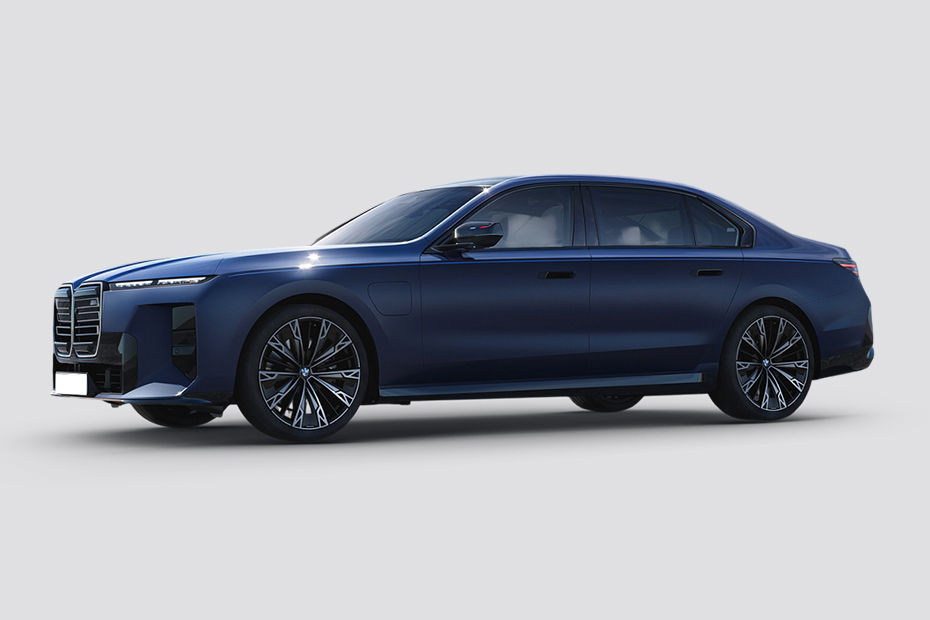
BMW 7 Series and i7 Facelifts Launched in India Starting at Rs 1.95 Crore
CarSep 14, 2026

BMW 7 Series and i7 Facelifts Launched in India Starting at Rs 1.95 Crore

Summary: BMW 7 Series and i7 Facelifts Launched in India Quick Summary BMW 7 Series and i7 Facelifts Launched in India Starting at Rs 1.95 Crore What's launched: BMW's facelifted 7 Series and i7 range, a mid-life update to the 4-year-old G70 generation, priced from ₹1.95 crore (ex-showroom). Three variants: 740 M Sport (petrol) and i7 eDrive50 xDrive M Sport (electric) both at ₹1.95 crore; the new flagship i7 M70 xDrive at ₹2.65 crore. Notable omission: The 740d diesel variant has been dropped entirely — the 7 Series is now offered only as a petrol in India. Local assembly milestone: The 740 and i7 eDrive50 are now built at BMW's Chennai plant — making India only the second country outside Germany assembling the i7. The M70 remains a full import (CBU). i7 M70 xDrive — the headline addition: BMW's own "most powerful 7 Series ever" — 680hp, up to 1,100Nm torque, 0-100km/h in 3.8 seconds, and 686km WLTP range. i7 eDrive50's real upgrade: A new 112.5kWh battery pushes WLTP range to 728km (+125km over the outgoing model) — actually longer range than the more powerful M70. Petrol 740: Same 3.0L inline-six mild-hybrid engine, now producing 400hp/540Nm (+19hp/+20Nm), 0-100km/h in 5.4 seconds. Interior overhaul: Neue Klasse-inspired tech including BMW Panoramic Vision, Operating System X, and BMW's first-ever dedicated front passenger screen, plus a 31.3-inch 8K rear entertainment display and 35-speaker Bowers & Wilkins audio. Vs. the S-Class: Undercuts the Mercedes-Benz S-Class (₹2.20-2.38 crore) by up to ₹43 lakh at the entry point. Timeline: Bookings open now; deliveries begin October 2026. Source: Autocar India · CarWale · RushLane · DriveSpark · WionDrive

Read More
Ultraviolette Announces 'BIGGA' Manufacturing Plant in Hosur to Supercharge EV Production
BikeSep 11, 2026

Ultraviolette Announces 'BIGGA' Manufacturing Plant in Hosur to Supercharge EV Production

Summary: Ultraviolette Announces BIGGA Plant in Hosur Quick Summary Ultraviolette Announces 'BIGGA' Manufacturing Plant in Hosur to Supercharge EV Production What's announced: Ultraviolette Automotive will build a new manufacturing plant — the BIGGA (Big Global Ambition) Factory — at SIPCOT Industrial Park, Shoolagiri, near Hosur, Tamil Nadu. Important caveat: This is a confirmed investment plan and proposed site, not confirmed completed land allocation or construction — treat it as a marker of intent, with execution to be watched over the coming years. Investment: ~₹779 crore over 4-5 years, funded through internal resources and future cash flow — no external debt or fresh equity raise mentioned. Scale: Phase 1 capacity of 2,50,000 vehicles/year, scalable to 5,00,000/year in a second phase expected after 2029 — a huge jump for a company that's so far built premium bikes in modest volumes. What it'll build: Primarily the upcoming Tesseract electric scooter, plus two more new scooters launching from Q1 2027, and eventually supporting Sports, Crossover, Cruiser, Street, and Scooter segments. Why Hosur: An established automotive manufacturing hub with existing supplier access, close to Ultraviolette's R&D base and its existing Bengaluru facility (which continues operating alongside the new plant). Jobs: ~2,000 expected in the initial phase, growing as production ramps up. Backers: Lingotto, TDK Ventures, Qualcomm Ventures, Zoho Corporation, TVS Motors, and Speciale Invest — a mix of VC and strategic industry investment. Market context: Comes as India's EV two-wheeler sales cross 10 lakh units in the first 8 months of 2026, partly driven by E20 petrol compatibility concerns pushing buyers toward EVs. Worth watching: The Tesseract's deliveries have already slipped from their original early-2026 target — the real test is whether actual production volumes justify a facility built for 250,000+ units a year. Source: EVreporter · YourStory · The Week · EMobility+ · GaadiKey

Read More
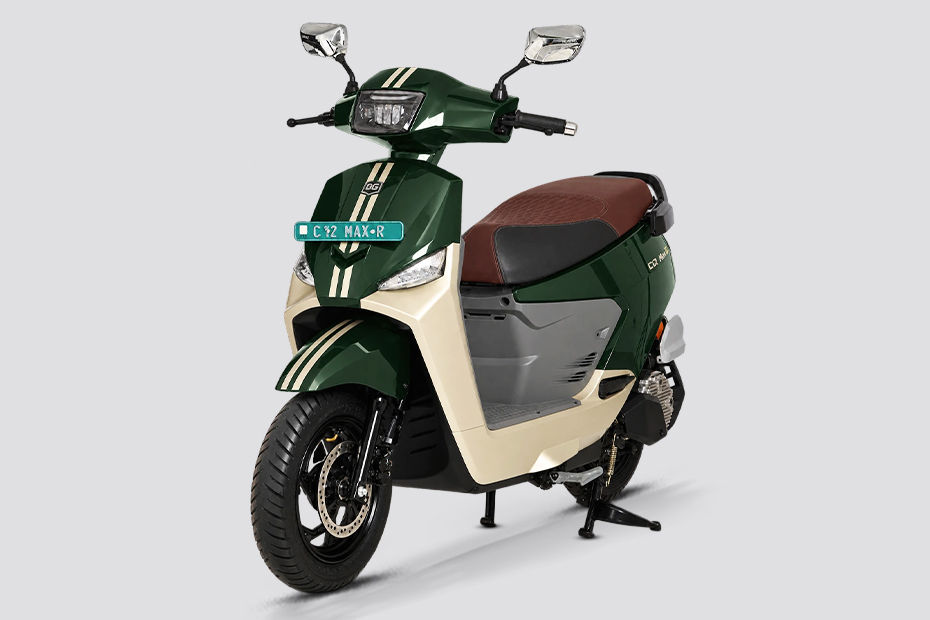
BGauss C12 MaxR Electric Scooter Launched at ₹1,45,990 with 178 km Range
ScooterSep 10, 2026

BGauss C12 MaxR Electric Scooter Launched at ₹1,45,990 with 178 km Range

Summary: BGauss C12 MaxR Launched at ₹1,45,990 Quick Summary BGauss C12 MaxR Electric Scooter Launched at ₹1,45,990 with 178 km Range What's launched: BGauss's new flagship electric scooter, the C12 MaxR, at an introductory price of ₹1,45,990 (ex-showroom) — the most expensive scooter in the brand's lineup. Price caveat: This is a limited-period introductory price; it's expected to rise to around ₹1.55 lakh once the current festive offer window ends. Range: 3.8kWh LFP battery delivering a claimed IDC range of 178km — the longest in BGauss's current C12 range. Motor: A new HyperZen in-wheel hyperdrive system integrating motor, transmission, braking, and control unit into one compact unit — eliminating a separate chain or belt drive. 4.2kW peak power, 75km/h top speed, 0-40km/h in 5.3 seconds. Design: A sharper, more conventional look than BGauss's neo-retro Max C12, with a rectangular projector LED headlamp and a grounded, family-scooter stance. Practicality focus: 38 litres of underseat storage (fits a full-size helmet), apron-mounted charging port, four extra storage points, and an accessible 768mm seat height. Battery protection: IP67-rated, aluminium-cased pack with 110 claimed safety and protection features in the BMS. Warranty: 3 years or 50,000km, covering battery, motor, vehicle, and charger together. Direct rivals: Priced almost identically to the Ather Rizta S 3.7kWh and TVS iQube 3.5kWh — a bold move for a less-established brand going head-to-head on price with two market leaders. Source: MotorBeam · evoIndia · ZigWheels · BikeDekho · AutoPunditz

Read More
India EV Retail Sales Hit Record High in August 2026
generalSep 9, 2026

India EV Retail Sales Hit Record High in August 2026

Summary: India EV Retail Sales Hit Record High in August 2026 Quick Summary India EV Retail Sales Hit Record High in August 2026 Headline number: India's EV retail sales hit an all-time August high of 2,98,448 units, up 52.9% year-on-year, with overall EV penetration rising to 12.3% (from 9.5% a year earlier), per FADA data. Every category set a record: Two-wheelers, three-wheelers, passenger vehicles, and commercial vehicles all posted their best-ever August — none lagged behind. Two-wheelers (largest segment): 1,83,204 units, up 67.05% YoY, though down 10.35% from July. TVS led (48,938), ahead of Bajaj (41,114) and Ather (28,757). Three-wheelers — a segment already transformed: 79,846 units, up 25.28% YoY. EVs now make up 65.3% of all three-wheeler retail, up from 56.6% a year ago — a clear majority, not a transition-in-progress. Passenger vehicles: 30,696 units, up 51.89% YoY. Tata Motors PV led (13,158), followed by Mahindra (6,464) and JSW MG (4,622). New entrants VinFast and Tesla India retailed 2,199 and 116 units respectively. Commercial vehicles — the standout: 4,702 units, an all-time monthly high for the segment, up 188.3% YoY and 32.23% month-on-month. EV share of CV retail jumped to 5.18% from 2.06% a year earlier. FADA's take: President Sai Giridhar attributed the CV surge to fleet electrification moving "decisively from pilots to purchase orders," and noted two-wheelers held above 10% penetration even without festive-season tailwinds. Bigger picture: The data shows a maturing market — three-wheelers already mostly electric, commercial vehicles accelerating fast, and the two largest segments (two-wheelers, cars) still growing strongly year-on-year despite normal month-to-month fluctuation. Source: FADA (via IANS, The Hans India, Asianet Newsable)

Read More
Kinetic DX and DX+ Electric Scooters Launched with 3.1 kWh LFP Battery and 132 km Range
ScooterSep 9, 2026

Kinetic DX and DX+ Electric Scooters Launched with 3.1 kWh LFP Battery and 132 km Range

Summary: Kinetic DX and DX+ Get 3.1 kWh LFP Battery Quick Summary Kinetic DX and DX+ Electric Scooters Launched with 3.1 kWh LFP Battery and 132 km Range What's launched: Kinetic has added bigger-battery variants to its DX lineup — a 3kWh option for the base DX (₹1.19 lakh) and a 3.1kWh option for the DX+ (₹1.28 lakh) — sold alongside the existing 2.6kWh versions, not replacing them. Why it matters: This directly addresses the biggest criticism of the original DX+ 2.6kWh, which offered a real-world range of under 100km. Range improvement: The new DX+ 3.1kWh claims 132km IDC range (up from 105km), with Kinetic estimating a real-world figure of 105-110km. The trade-off worth knowing: The new 3.1kWh DX+ actually has a less powerful motor (3.8kW vs. 4.78kW on the old version) and loses the Turbo riding mode, keeping only Range and Power. Battery chemistry: Both new options use LFP (Lithium Iron Phosphate), offering better thermal stability and longevity than standard lithium-ion packs. Design: Retains the DX family's signature all-metal body — a nostalgic callback to Kinetic's legacy petrol scooters, still distinguishing it from mostly plastic-bodied rivals. Features carried over: K-Coast Tech regenerative braking, a retractable Easy Charge cable, Park Assist, Reverse, IP67 protection, and standard telematics. Festive offers: ₹2,000-3,000 cash benefits, an ₹8,999 extended warranty deal, and ₹5,000 Amazon cashback currently available across the range. Bigger picture: The update comes as Kinetic evaluates exporting the India-built DX to up to seven overseas markets — a stronger range figure makes that case considerably easier. Source: Autocar India · BikeDekho · ZigWheels · RushLane · BikeAdvice

Read More
BMW i5 Long Wheelbase Launched in India at ₹79.60 Lakh: Range, Specs, and Features
CarSep 8, 2026

BMW i5 Long Wheelbase Launched in India at ₹79.60 Lakh: Range, Specs, and Features

Summary: BMW i5 Long Wheelbase Launched in India at ₹79.60 Lakh Quick Summary BMW i5 Long Wheelbase Launched in India at ₹79.60 Lakh What's launched: BMW India has launched the i5 Long Wheelbase (LWB) at ₹79.60 lakh (ex-showroom) — its first locally produced electric sedan, built at the BMW Group Plant in Chennai rather than imported. Sold out before launch: The limited First Edition (99 units, priced the same as the standard M Sport) sold out entirely before the car was even officially unveiled. Range & battery: 81.6kWh battery, up to 669km claimed range (MIDC cycle); 160kW DC fast charging gets 10-80% in ~33 minutes, plus 11kW AC charging with a complimentary BMW Wallbox included. Performance: 268HP, 410Nm, 0-100km/h in 6.7 seconds, top speed electronically limited to 195km/h. Size: 5,175mm long with a 3,105mm wheelbase — BMW says it's the largest car in its segment, built specifically for rear-seat space. India-specific tuning: Adaptive rear-axle air suspension and raised ground clearance, specifically calibrated for Indian road conditions. Features: BMW Curved Display (12.3" cluster + 14.9" infotainment), vegan 'Veganza' interior, Iconic Glow kidney grille, 20-inch M alloy wheels, and a full driver-assistance suite. Warranty: 2 years unlimited-km on the vehicle, 8 years/1.60 lakh km on the battery. Financing: EMIs starting at ₹79,999/month with a 55% assured buyback after 4 years. Why "local" matters: Being built in Chennai rather than imported as a CBU likely helped BMW avoid steep import duties — a key reason it's priced where it is. Source: MotorBeam · AutoGuideIndia · GaadiKey · NewsBytes · Business Today

Read More
Ola Electric Shifts Retail Strategy: First Wave of Dealer-Operated Stores Goes Live Across Seven States
ScooterSep 7, 2026

Ola Electric Shifts Retail Strategy: First Wave of Dealer-Operated Stores Goes Live Across Seven States

Summary: Ola Electric Shifts to Dealer-Operated Stores Quick Summary Ola Electric Shifts Retail Strategy: First Wave of Dealer-Operated Stores Goes Live Across Seven States What's happening: Ola Electric has opened its first cohort of dealer-operated stores across seven states — Rajasthan, Tamil Nadu, Maharashtra, Bihar, Telangana, Uttar Pradesh, and Madhya Pradesh. The speed is notable: Ola only opened its network to dealer partners on August 6, 2026 — the first stores were live and serving customers by September 4, less than a month later. Why it's happening: After 5 years running a fully company-owned retail model, Ola says that foundation is "now set" and it's time to scale via local dealer partners who bring their own capital and market knowledge. The real driver, likely: Persistent customer complaints over delayed repairs, spare parts shortages, and service capacity. Under the new model, dealers handle both sales and service locally, with their own spare parts stock. A number worth noting: Ola claims average service turnaround has already dropped from ~9 days (Oct 2025) to ~1 day (Mar 2026). Scale of ambition: Targeting 500+ dealerships within two quarters — an aggressive timeline given the model launched less than a month ago. What happens to old stores: Existing company-owned outlets will transition into "product experience centres" focused on brand showcasing rather than sales and service. Wider context: Around the same period, Ola also secured ₹95.8 crore under India's PLI scheme — suggesting a broader push to strengthen the business on multiple fronts at once. Bigger picture: This brings Ola structurally closer to how established rivals like TVS, Bajaj, and Hero have always operated via dealer networks — a notable pivot from what was previously a distinguishing feature of Ola's approach. Source: Business Standard · Inc42 · Daily Excelsior · StartupTalky · EVSHIFT (ETAuto)

Read More
Range Rover Electric Unveiled with 600km Range; Bookings Open in India at ₹10 Lakh
CarSep 4, 2026

Range Rover Electric Unveiled with 600km Range; Bookings Open in India at ₹10 Lakh

Summary: Range Rover Electric Unveiled, Bookings Open in India Quick Summary Range Rover Electric Unveiled with 600km Range; Bookings Open in India at ₹10 Lakh Important: ₹10 lakh is a token booking amount, not the car's price. Final pricing hasn't been announced — expect a starting price well above ₹3 crore ex-showroom. What's happened: JLR has revealed the production-spec Range Rover Electric — its first fully electric Range Rover — and opened India bookings the same day for a ₹10 lakh token amount. Bookable variants: Standard-wheelbase Autobiography, long-wheelbase SV/SV Ultra/SV Black, and a standard-wheelbase First Edition in 3 exclusive colours. Range: 600km claimed on the WLTP cycle; JLR's own more honest real-world figure is 535km — from a massive 118.5kWh battery pack. Performance: Dual motors producing a combined 550PS and 850Nm (the highest torque ever for a Range Rover), 0-100km/h in 4.5 seconds — actually more powerful than the ICE V8 model. Charging: 350kW DC fast charging; 10-80% in ~22 minutes, with 10 minutes adding up to 220km of range. Off-road engineering: Claimed 45-degree gradient capability in single-pedal mode, with a traction system that adjusts motor speed within 50 milliseconds — faster than any combustion equivalent. Design: Deliberately close to the ICE model — same lights, same cabin — with no "Electric" badge anywhere; only the missing exhaust pipes give it away. Import route: Fully imported (CBU) from JLR's Solihull, UK plant — and won't get India-UK FTA tariff benefits since those apply only to combustion vehicles. Rivals: Mercedes-Benz EQS SUV, BMW iX, and Volvo EX90 once pricing is finalised. What's next: Official India launch date, final pricing, and delivery timelines are all still to be confirmed. Source: Autocar India · MotorBeam · RushLane · DriveSpark · Motoroids

Read More
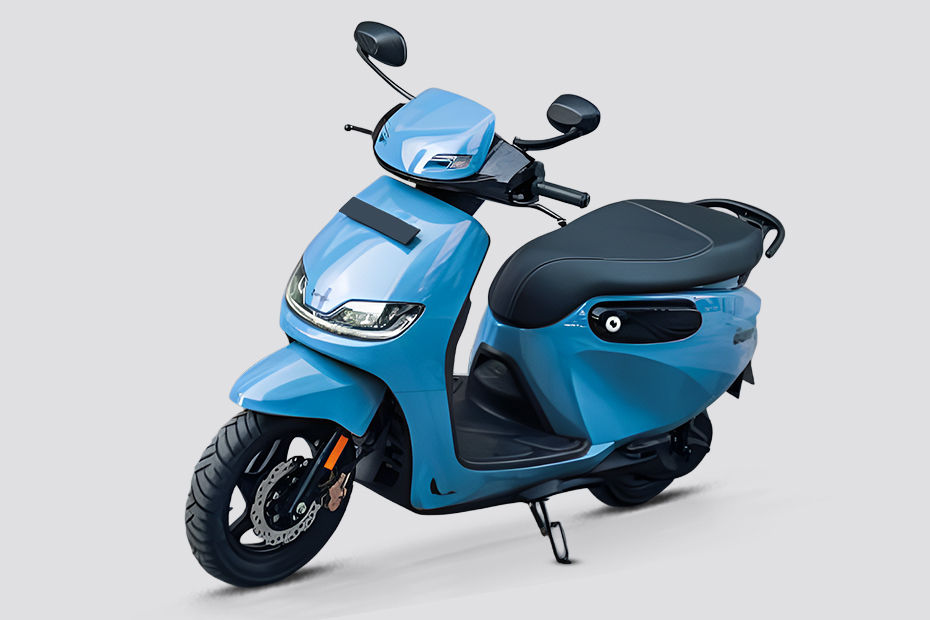
Simple Wave Electric Scooter Launched in India at Rs 1.10 Lakh: Price, Range, Specs, and Features
ScooterSep 3, 2026

Simple Wave Electric Scooter Launched in India at Rs 1.10 Lakh: Price, Range, Specs, and Features

Summary: Simple Wave Electric Scooter Launched in India at Rs 1.10 Lakh Quick Summary Simple Wave Electric Scooter Launched in India at Rs 1.10 Lakh What's launched: Simple Energy's Wave, its first mass-market family scooter, launches at an introductory ₹1,09,999 (ex-showroom, Bengaluru) for the base variant. Pricing for higher variants hasn't been announced yet. Range — the headline number: Four battery options (2.2kWh to 5kWh) delivering claimed IDC range from 110km up to a segment-leading 243km on the top-spec Wave+. Performance: 6.4kW PMSM motor with chain-drive, 90km/h claimed top speed, and a brisk 0-40km/h in 3.3 seconds — quick for a family-focused scooter. Variants: Six configurations across four batteries, split between simpler "EBN" digital displays and higher "TFT" trims with a 7-inch touchscreen. Design & practicality: Dolphin-inspired styling, 70 litres of underseat storage (including a 4L "Pill" compartment), 150kg payload capacity, and a spacious 920mm seat. Safety & build: Hill hold assist, traction control, CBS braking, and IP67-rated battery/motor protection. Warranty: 3 years/30,000km standard, extendable to 5 years/50,000km — solid but shorter than some rivals' newer 8-10 year offerings. Competitive positioning: Goes directly against the Ather Konarc, Bajaj Chetak, Hero Vida, and TVS iQube — four brands that together make up 76% of India's EV two-wheeler sales in 2026 — with range as the Wave's key differentiator. Deliveries: Begin September 25, 2026, though it's unclear if that date covers all variants or just the base model. Source: Team-BHP · Autocar India · BikeAdvice · The Bike Junction

Read More
View All News

Compare Electric Cars

01
Tata Sierra EV

Tata

Tata Sierra EV

₹18,79,000

VS
Hyundai Creta Electric

Hyundai

Hyundai Creta Electric

₹18,03,000

02
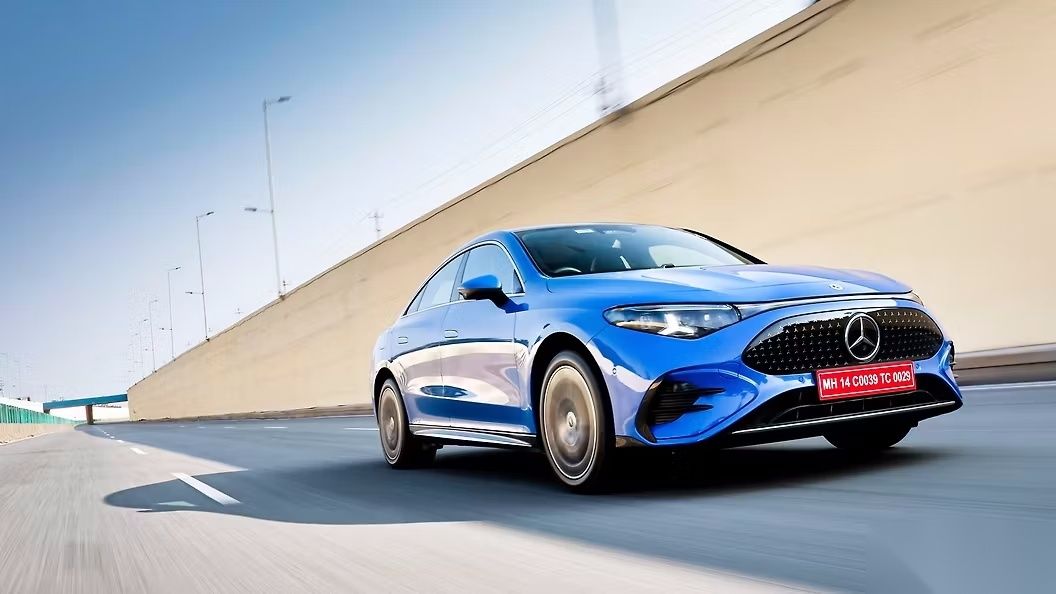
Mercedes-Benz G-Class Electric

Mercedes-Benz

Mercedes-Benz G-Class Electric

₹3,10,00,000

VS
Tata Harrier EV

Tata

Tata Harrier EV

₹21,69,000

Compare Electric Bikes

01
Avore EX Series

ADMS

Avore EX Series

₹1,24,000

VS
Vida Dirt.E K3

Vida

Vida Dirt.E K3

₹60,000

02
Seeka Sting Ray

Seeka

Seeka Sting Ray

₹99,000

VS
Kabira KM3000 Mark 2

Kabira

Kabira KM3000 Mark 2

₹1,50,000

03
Orxa Mantis

Orxa

Orxa Mantis

₹3,60,000

VS
Power EV P-Sport

Power EV

Power EV P-Sport

₹1,45,000

Compare Electric Scooters

01
BGauss C12 MaxR

BGauss

BGauss C12 MaxR

₹1,59,990

VS
Simple Wave

Simple Energy

Simple Wave

₹1,09,999

02
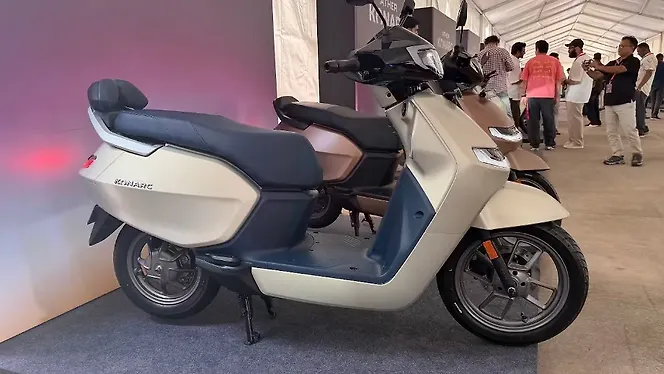
Ather Konarc

Ather

Ather Konarc

₹99,999

VS
Vespa Electric Scooter

Vespa

Vespa Electric Scooter

₹1,10,000

03
TVS Orbiter

TVS

TVS Orbiter

₹91,550

VS
Ultraviolette F77

Ultraviolette

Ultraviolette F77

₹3,09,000

EvRaja – Your EV Companion

Everything About Electric Vehicles

Explore, compare and choose the best electric vehicles for your lifestyle.

500+
Electric Vehicles
40+
Brands
1,000+
Comparisons

About EVRaja

India’s Trusted EV Platform

EVRaja is India’s premier digital hub for electric vehicles, offering comprehensive insights, detailed reviews, and intelligent comparisons to help you make informed decisions.

We connect EV enthusiasts with the latest technologies, provide expert analysis, and guide you through the transition to a sustainable future.

Trusted & Independent

Unbiased reviews

Expert Analysis

In-depth insights

Always Updated

Latest info

Expert Community

Real expert help

Electric vehicle chargingTop Choice

Electric Vehicles

500+

and growing daily

Explore Now

EV discovery & education

Electric Vehicles in India

Electric vehicles in India are moving from early adoption to mainstream choice. Whether you are comparing your first electric car, upgrading from a petrol scooter, or researching fleet options, you need trustworthy EV prices, real-world range figures, and honest EV reviews — not marketing claims alone. EVRaja brings cars, bikes, scooters, bicycles, charging, and long-form EV buying guide content into one marketplace built for Indian roads, budgets, and charging habits.

Our editorial team and data specialists track new launches, facelift timelines, battery updates, and policy changes so you can shortlist models with confidence. From city-focused electric scooters with swappable batteries to long-range electric SUVs, every listing is designed to support side-by-side EV comparison on specs that matter: certified range, charging time, warranty, safety ratings, and total cost of ownership.

Electric Cars in India

Electric cars in India now span affordable hatchbacks, premium SUVs, and multi-purpose family vehicles. Popular nameplates include Tata's Curvv EV and Harrier EV, MG ZS EV, Mahindra's Born Electric lineup, Hyundai and Kia offerings, and imported options such as BYD Atto 3. When you evaluate electric cars, look beyond ex-showroom EV prices: factor in state subsidies, home charger installation, insurance, and expected depreciation on battery packs.

EVRaja publishes in-depth guides such as our Top 5 Electric Cars in India 2026 comparison, which breaks down strengths, limitations, and ideal buyer profiles for each model. Use our car landing pages and compare tools to align range, boot space, and charging speed with your daily commute and highway use.

Electric Bikes & Scooters

Electric bikes and electric scooters dominate urban India because they match last-mile needs with lower running costs. Electric scooters from Ather, Ola, TVS, Bajaj, Hero, and dozens of startups differ in battery type, top speed, ride modes, and service networks. Electric bikes — including high-speed and commuter segments — appeal to riders who want motorcycle ergonomics with zero tailpipe emissions.

On EVRaja you can filter by price band, range, charging type, and brand, then read EV reviews from owners and experts. For mechanical fundamentals that affect every two-wheeler EV, see our EV components explained guide covering motors, inverters, battery management systems, and regenerative braking.

EV Charging Infrastructure

EV charging stations are expanding across highways, malls, offices, and residential societies, but coverage still varies by city. Planning where you will charge — at home with an AC wall box, at work, or via public DC fast chargers — is as important as choosing the vehicle itself. EVRaja helps you locate charging points, compare home charger products, and understand connector standards so you are not surprised after purchase.

Pair our station locator with model-specific charging time data on each vehicle page. Faster charging can offset a slightly smaller battery if your routes include reliable fast-charger corridors.

Why Choose EVRaja

EVRaja is built for shoppers, owners, and enthusiasts who want clarity in a noisy EV market. We combine marketplace listings with editorial EV news, structured comparisons, and educational guides so you can move from research to test drive with fewer blind spots. Our platform highlights trending guides, latest comparisons, upcoming launches, and brand-level insights — all with mobile-first access because most Indian buyers start on their phone.

Whether you need an EV comparison between two scooters, a finance estimate, used EV options, or the latest EV news on policy and technology, EVRaja is your long-term partner in electric mobility. Explore all EV guides, browse vehicles by category, or use search to jump directly to the models and articles relevant to you — and come back as the market evolves through 2026 and beyond.